


Motor Current Signature Analysis Service
Motor Current Signature Analysis (MCSA) helps industrial organisations identify developing electrical, motor, and load-related issues before they contribute to unplanned downtime.
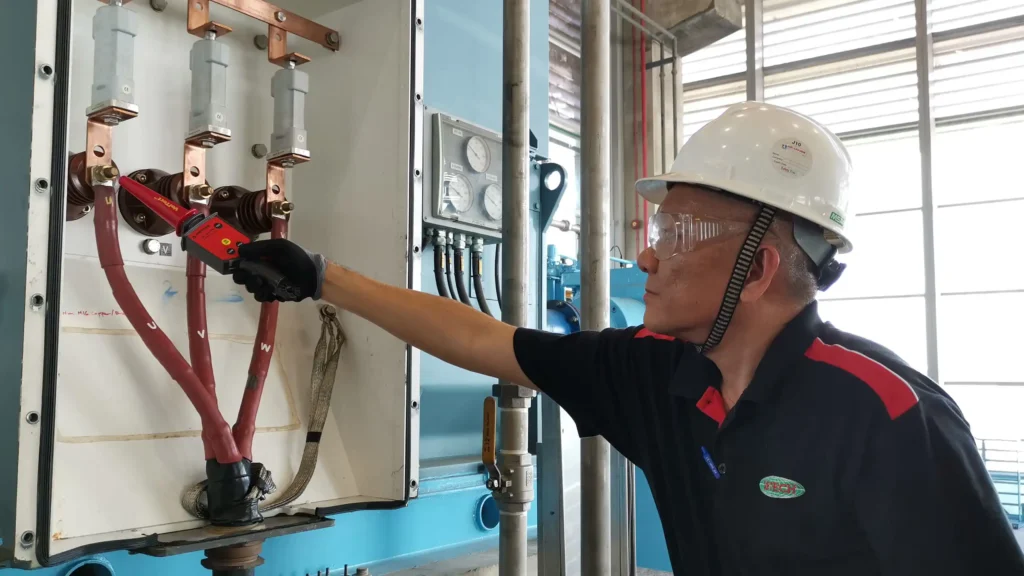
Service Overview
Our Motor Current Signature Analysis service utilises a specialised motor diagnostic method that evaluates electrical current and related operating data to assess the condition of electric motors and their connected equipment while in operation. This service supports maintenance and reliability teams in investigating recurring motor faults and assessing suspected issues. The findings can then enable them to differentiate between motor-related, power-supply, and load-related conditions, supporting a more targeted investigation and maintenance response.
MCSA is suited to critical motor-driven assets, including motors operating pumps, fans, compressors, conveyors, and other rotating equipment where motor performance and operational continuity are important.
When to Use This Service
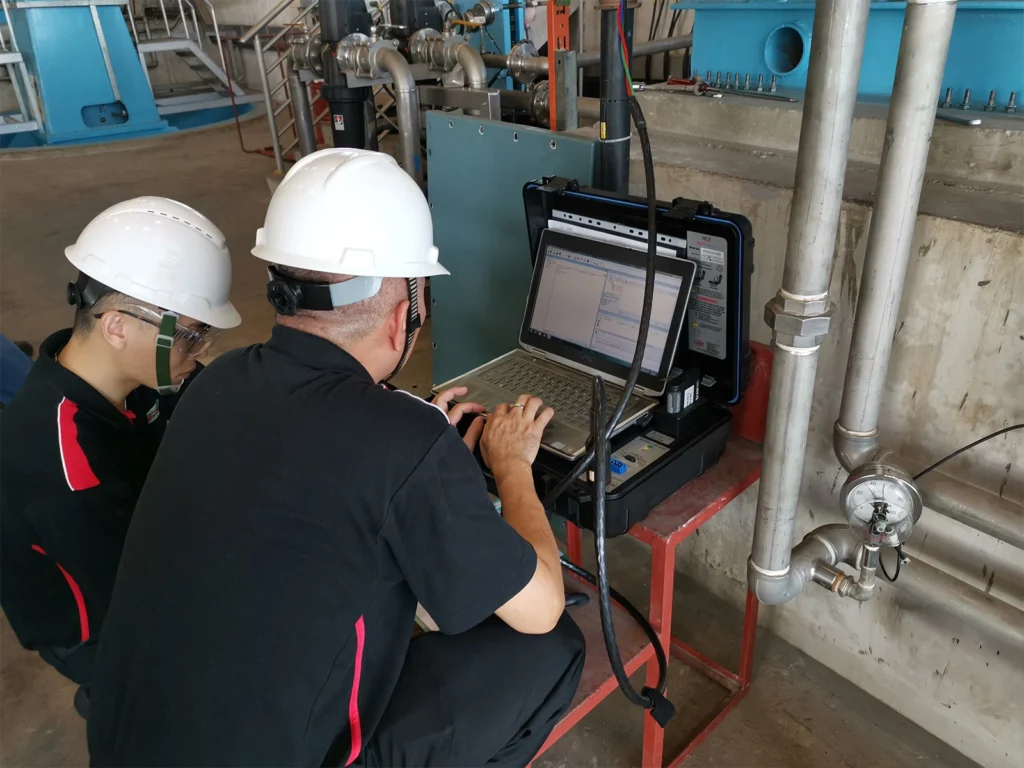
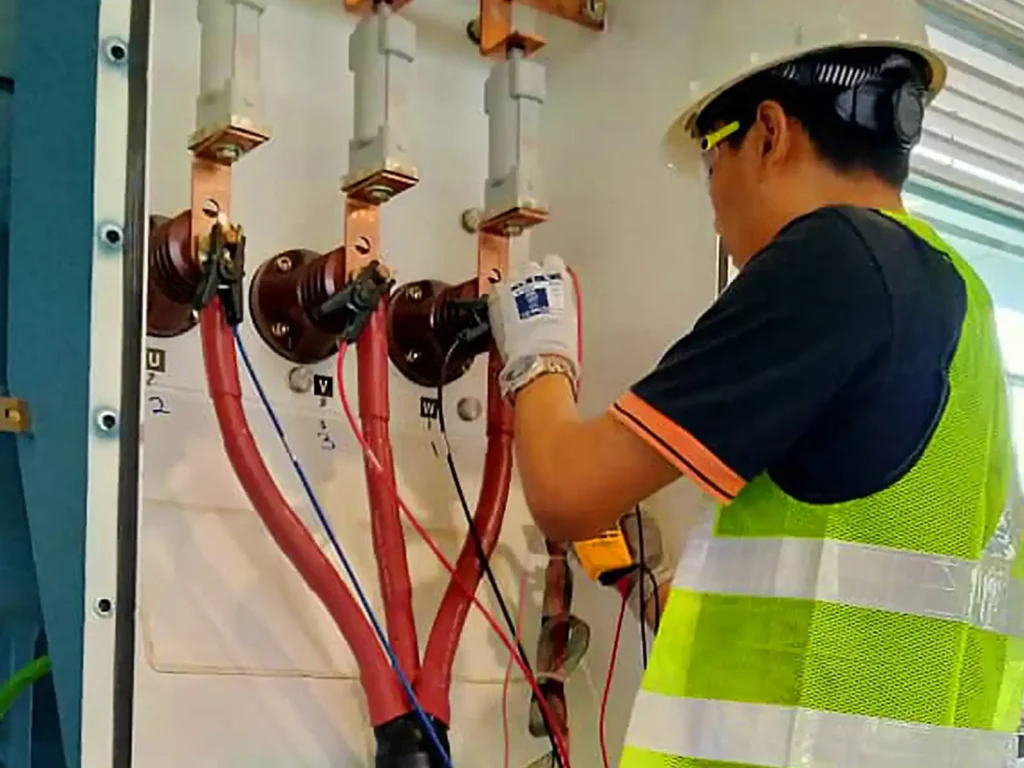
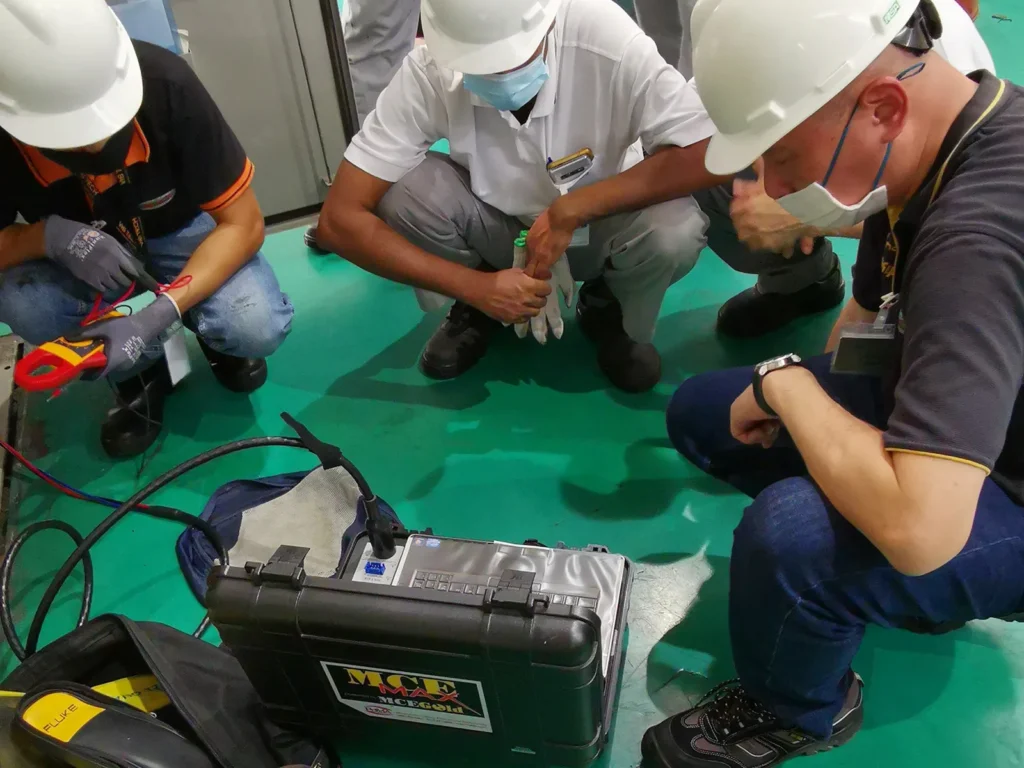
The Motor Current Signature Analysis service is recommended when the condition of an operating motor or its driven equipment needs to be investigated through the motor’s electrical signals. This service is particularly useful when direct access to the motor is difficult, an immediate shutdown is unavailable, or existing condition-monitoring results do not fully explain the problem. Consider this service when one or more of the following situations occur.
- Motor performance changes without a clear cause.
- Rotor or air-gap problems are suspected.
- Electrical behavior appears abnormal.
- Starting performance becomes irregular.
- The motor is difficult or unsafe to access.
- Recurring faults remain unresolved.
- Baseline and trending data are required.
- Installation, repair or major maintenance has been completed.
Key Benefits
This service provides insight into the electrical and electromechanical condition of a motor while it operates under normal load. The MCSA system used during the service analyses patterns within the motor’s current and power signals to support earlier fault identification, more focused troubleshooting, and make better informed maintenance decisions. Explore some of the key benefits below.
-
Identify developing motor faults at an earlier stage
Detect electrical patterns associated with broken rotor bars, rotor-cage defects, air-gap eccentricity and abnormal motor loading before they develop into more serious operational problems.
-
Assess motors without installing sensors directly
Measurements can be collected from a suitable electrical access point, making the service valuable for motors that are difficult, hazardous or impractical to reach.
-
Evaluate the motor under actual operating conditions
Assess current, voltage, power and load behaviour while the motor performs its normal function instead of relying solely on observations made while the motor is shut down.
-
Differentiate possible sources of abnormal operation
Examine whether the recorded electrical patterns are more consistent with incoming power-quality issues, power-circuit problems, motor-related faults or changes in the driven load.
-
Improve diagnostic confidence
Obtain electrical evidence that complements findings from vibration analysis, thermography, ultrasound and routine electrical inspections.
-
Support condition trending across repeated assessments
Compare current and power measurements over time to recognise developing changes, even when the motor continues operating without obvious symptoms.
-
Gain greater visibility into performance and loading
Assess current, voltage, power factor, power consumption, torque and operating load to understand how the motor is performing in service.
-
Enable more targeted maintenance planning
Give engineers clearer evidence to prioritise investigations, prepare appropriate maintenance work and avoid unnecessary motor disassembly.
-
Reduce the risk of unexpected motor failure
Identify abnormal conditions early enough for corrective action to be planned before the fault becomes more severe or causes secondary equipment damage.
Applicable Equipment & Systems
The following are the wide range of electric motors, generators and motor-driven machinery that MCSA service is applicable on. However, the suitability of each application depends on factors such as the motor design, electrical configuration, available measurement point and ability to operate the equipment under a stable and representative load.
-
AC induction motors
Squirrel-cage induction motors used across industrial and commercial facilities, including motors operating continuously, intermittently or under changing load conditions.
-
Synchronous, wound-rotor and DC motors
Specialised motor types used in applications that require controlled speed, high starting torque, constant operating speed or specific process-performance characteristics.
-
Pumps and pumping systems
Motors driving centrifugal pumps, booster pumps, chilled-water pumps, cooling-water pumps, process pumps, sewage pumps and other fluid-handling systems.
-
Fans, blowers and ventilation systems
Motor-driven equipment such as cooling-tower fans, exhaust fans, forced-draft and induced-draft fans, air-handling units and industrial blowers.
-
Compressors and refrigeration systems
Motors connected to air compressors, process compressors, refrigeration compressors, chillers and other cooling or compressed-air systems.
-
Conveyors and material-handling equipment
Motors used on belt conveyors, screw conveyors, bucket elevators, feeders, crushers and other systems that transport or process materials.
-
Mixers, agitators and process machinery
Motor-driven mixers, agitators, extruders, mills, centrifuges and other production equipment where changes in motor load may reflect changes within the driven process.
-
Gearboxes and coupled machine trains
Motors connected to gearboxes, couplings and multi-component drive trains where electrical signals can provide insight into the behaviour of the overall motor-driven system.
-
Generators and motor-generator systems
Electrical rotating equipment used for power generation, standby operation or specialised industrial applications.
-
Motor control centres and associated power circuits
Systems where safe measurement access is available through motor control centres, starters, switchboards or other suitable points within the motor’s electrical supply circuit.
Applicable Industries
This service can be applied across the following industrial sectors.
-
Power Generation & Electrical Utilities
-
Water & Wastewater Treatment
-
Oil, Gas & Petrochemical
-
Manufacturing & Process Industries
-
Data Centres & Critical Facilities
-
District Cooling, HVAC & Building Services
-
Marine & Offshore
-
Rail & Transportation Infrastructure
-
Pharmaceutical & Life-Sciences Manufacturing
-
Ports, Logistics & Material Handling
-
Mining, Cement & Bulk-Material Processing
Speak With Our Reliability Specialist
Concerned about the condition of a motor or planning an assessment of your critical motor-driven equipment? Get in touch with our reliability specialist using the contact form below to help determine whether Motor Current Signature Analysis service is suitable for your application.
Request A Callback
Fill in your contact below and a Vibtech Genesis representative will be in touch with you within one working day.
